
The Difference Between Controlled vs Slow Release Fertiliser
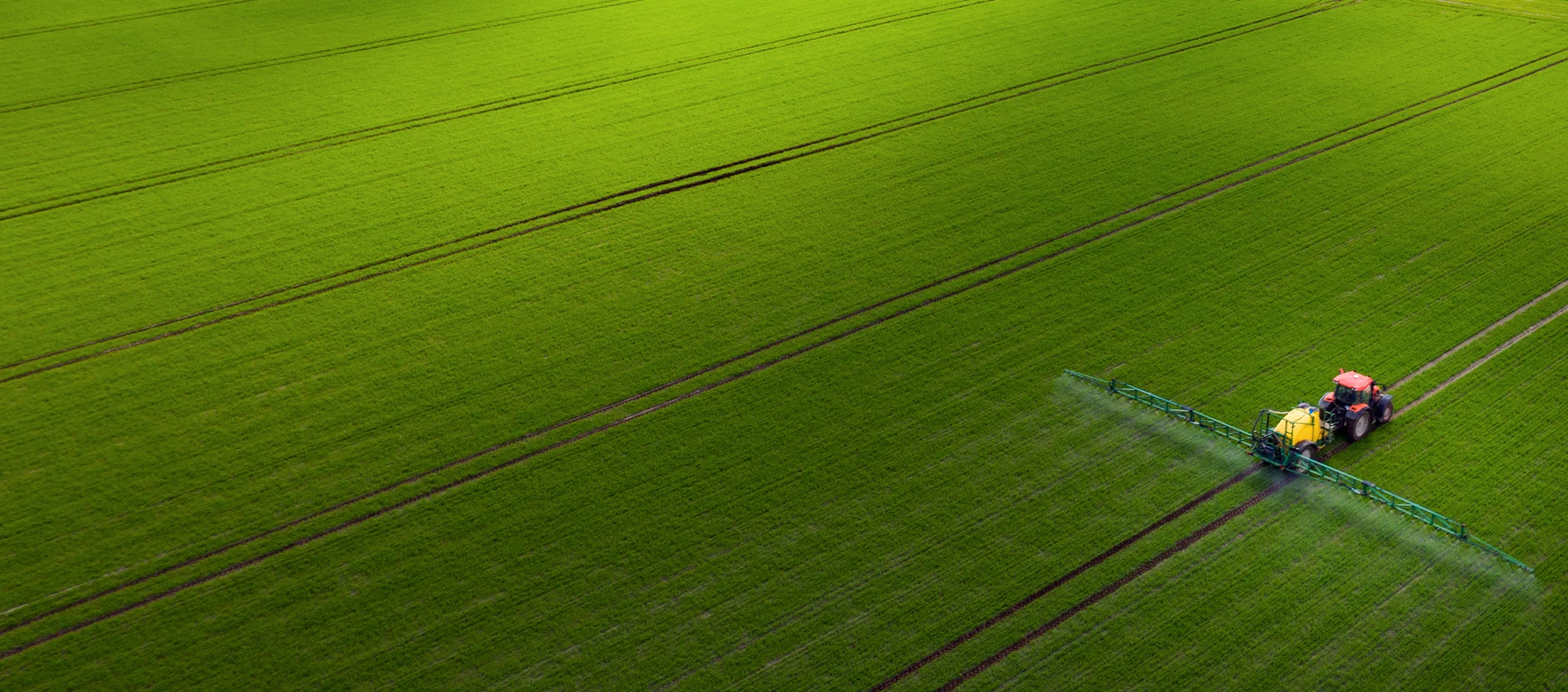
Fertilisers are a cornerstone of modern agriculture, supplying essential nutrients that drive plant growth, maximise productivity, and support global food security. However, not all fertilisers function the same way. The type selected directly influences nutrient efficiency, crop performance, environmental impact, and overall return on investment.
Two categories often confused by growers are controlled fertilisers and slow fertilisers. Although both are designed to extend nutrient availability beyond conventional fast-release fertilisers, their mechanisms, predictability, and field performance differ significantly.
Understanding these distinctions is critical, particularly in commercial plantations, high-value horticulture, and intensive farming systems where nutrient precision directly affects yield and profitability.
Key Takeaways
- Controlled and slow fertilisers both extend nutrient availability, but they differ significantly in how nutrients are released and managed.
- Controlled fertilisers use engineered coatings to regulate nutrient release, providing predictable, steady feeding aligned with crop demand.
- Slow fertilisers rely on natural soil processes, making nutrient release dependent on moisture, temperature, and microbial activity.
- Controlled fertilisers offer greater consistency and efficiency, reducing nutrient losses such as leaching, volatilisation, and greenhouse gas emissions.
- Slow fertilisers can improve efficiency compared to conventional fertilisers, but performance may vary depending on field conditions.
- Controlled fertilisers are better suited for high-value crops and precision farming systems, while slow fertilisers may fit lower-input or cost-sensitive operations.
- Fertiliser selection should balance agronomic goals, environmental responsibility, and long-term economic performance.
Table of Contents
- Nutrient Release in Fertilisers
- Controlled Fertiliser: Definition and Mechanism
- How It Works
- Key Advantages
- Slow Fertiliser: Definition and Mechanism
- How It Works
- Key Characteristics
- Controlled vs Slow Fertiliser: Key Differences
- Agronomic and Economic Considerations
- Environmental and Sustainability Factors
- Practical Guidance for Growers
- Conclusion
Nutrient Release in Fertilisers
Nutrient release refers to the process by which essential elements such as nitrogen (N), phosphorus (P), and potassium (K) become available for plant uptake. The timing and rate of release are crucial.
When nutrient availability exceeds plant demand:
- Leaching into groundwater may occur
- Surface runoff increases
- Volatilisation losses rise
- Fertiliser efficiency declines
- Plant damage due to excessive nutrient availability
When nutrient supply falls below plant demand:
- Growth slows
- Yield potential decreases
- Nutrient deficiencies appear

Both controlled and slow fertilisers aim to reduce these mismatches by extending nutrient availability. However, they achieve this objective through fundamentally different mechanisms.
Understanding Controlled-Release Fertilisers in Modern Agriculture
Controlled fertiliser, commonly referred to as controlled-release fertiliser (CRF) is a highly engineered product. Nutrient granules are coated with polymer, resin, or similar materials that regulate the rate at which nutrients are released into the soil.
Controlled fertilisers rely on a physical diffusion mechanism:
- Soil moisture penetrates the coating.
- Nutrients dissolve inside the coated granule.
- Dissolved nutrients diffuse outward gradually through the semipermeable membrane.
- Release rate is influenced mainly by coating properties and soil temperature.
The defining characteristic of controlled fertiliser is predictability. Release duration can be calibrated during manufacturing; for example, 3, 6, 9, or 12 months, depending on coating thickness and polymer design.
Key Advantages
- Predictable nutrient release
- Alignment with crop growth stages
- Reduced nitrate leaching and ammonia volatilisation
- Improved nutrient use efficiency
- Lower risk of nutrient spikes and plant stress
Controlled fertilisers are widely regarded as enhanced-efficiency fertilisers due to their ability to deliver nutrients in a more precise and controlled manner. By regulating nutrient release to better align with crop uptake patterns, they help reduce nutrient losses to the environment while improving nutrient use efficiency and supporting more sustainable agricultural practices.
How Slow-Release Fertilisers Work in Agriculture
- Microbial activity
- Soil moisture
- Temperature
- Soil pH
- Organic matter breakdown
Key Characteristics
- Gradual nutrient availability
- Lower predictability
- Performance dependent on soil biology
- Generally lower upfront cost
Slow fertilisers improve nutrient use efficiency compared to conventional soluble fertilisers by releasing nutrients gradually over time rather than immediately after application. However, the release rate is often influenced by environmental conditions such as soil moisture, temperature, and microbial activity, meaning the timing of nutrient availability may not always align precisely with crop nutrient demand.
Controlled-Release vs Slow-Release Fertiliser Differences
The main difference between controlled and slow fertilisers is the level of control over nutrient release. Controlled fertilisers are engineered to release nutrients at a steady, predictable rate, while slow fertilisers depend on soil conditions like moisture, temperature, and microbes, making them less consistent.
Because of this, controlled fertilisers are better at matching nutrient supply with crop needs. Slow fertilisers may sometimes release nutrients too quickly or too slowly depending on field conditions.
From an environmental point of view, controlled fertilisers can reduce nitrate leaching by about 20–40%, ammonia loss by 40–70%, and nitrous oxide emissions by 10–40%. Slow fertilisers can also help reduce losses compared to regular fertilisers, but the results are less predictable.
In terms of use, controlled fertilisers are ideal for high-value crops or farming systems that require precise nutrient management. Slow fertilisers may be suitable for lower-input systems where exact timing is not as critical. Overall, controlled fertilisers offer greater consistency, efficiency, and predictability, making them a strong choice for precision agriculture.
Agronomic and Economic Considerations
Controlled fertilisers often enhance nutrient use efficiency and yield performance. Field studies indicate that certain CRF treatments may increase yields by up to 35% compared with conventional fertilisers when applied as a single basal application.
- Reduced fertiliser rounds
- Lower labour costs
- Reduced machinery use
- Lower risk of application errors
- Improved yield stability
Although CRF carry a higher upfront cost due to advanced coating technology, improved efficiency and reduced nutrient losses can lower total production costs over the crop cycle.
Slow fertilisers also reduce application frequency compared with conventional fertilisers. However, their variability may require supplemental feeding depending on crop demand and environmental conditions.
Growers must evaluate both short-term budget constraints and long-term efficiency gains when selecting fertiliser strategies.
Environmental and Sustainability Factors
Environmental stewardship is increasingly central to agricultural production.
Controlled fertilisers help mitigate:
- Nutrient runoff into waterways
- Groundwater contamination
- Greenhouse gas emissions
- Soil nutrient imbalance
Slow fertilisers provide environmental benefits relative to fast-release products but lack the precision required for maximum nutrient management efficiency.
As regulatory frameworks tighten and sustainability certifications expand, enhanced-efficiency fertilisers, especially controlled-release systems are becoming more widely adopted.
Precision fertilisation aligns closely with integrated nutrient management plans and long-term soil health strategies.
Controlled Release VS Slow Release Fertiliser
Differences
What Growers Should Know
When choosing between controlled and slow fertilisers, growers should evaluate:
- Crop type and growth duration
- Soil texture and fertility
- Rainfall and temperature patterns
- Irrigation systems
- Production intensity
- Budget considerations
Soil testing and nutrient budgeting remain essential regardless of fertiliser type.
For long-cycle or high-value crops such as oil palm, fruit trees, and premium horticulture controlled fertilisers typically deliver stronger performance and operational efficiency.
For lower-input systems where exact nutrient timing is less critical, slow fertilisers may provide an acceptable balance between cost and gradual nutrient supply.
Integrating controlled fertilisers with precision agriculture tools, including fertigation or automated irrigation systems, can further enhance nutrient synchronisation and yield outcomes.
Conclusion
Both controlled and slow fertilisers are designed to extend nutrient availability beyond conventional fast-release fertilisers, but they differ significantly in predictability, performance consistency, and environmental control.
Controlled fertilisers offer engineered, precise nutrient release that aligns more closely with crop demand, supporting higher nutrient efficiency, more stable yields, and stronger environmental stewardship. Solutions such as Wastech’s controlled-release fertiliser range demonstrate how this technology can be calibrated to suit tropical crop cycles and commercial farming needs.
Slow fertilisers remain a practical option in systems where timing precision is less critical and budget considerations are tighter. Ultimately, in today’s landscape of sustainable agriculture and precision farming, fertiliser selection should be guided by agronomic goals, environmental responsibility, and long-term economic value.
For growers and partners looking to optimise fertiliser performance for their crops and farming conditions, Wastech offers tailored controlled-release fertiliser solutions designed for modern agricultural systems. Contact our team to learn how Wastech can support your crop nutrition strategy.
Frequently Asked Questions (FAQ)
For high-value crops where consistent growth and yield quality are critical, controlled fertilisers are usually more suitable. Their predictable release helps match nutrient supply with crop demand throughout key growth stages.
Controlled fertilisers provide clearer planning because their release duration is known in advance. This allows growers to calculate nutrient supply more accurately. Slow fertilisers can be harder to predict, especially under fluctuating soil conditions.
On sloped fields, heavy rainfall can carry nutrients away quickly. Controlled fertilisers are less prone to immediate runoff because nutrients are released gradually. Slow fertilisers offer some improvement over conventional fertilisers, but they do not prevent nutrients from being affected by surface flow if breakdown occurs quickly.
Yes. Slow fertilisers can contribute to improved nutrient management compared to fast-release products. However, their environmental performance is less consistent than controlled fertilisers, especially under high rainfall or temperature fluctuations.
Controlled fertilisers often reduce the number of fertiliser rounds required, simplifying scheduling and lowering dependency on labour availability. Slow fertilisers may still require monitoring and supplemental applications.
Have inquiries? Let’s get in touch.
Let us know your questions, we will get back to you as soon as possible.